Explore Factory-Built Homes Throughout Pennsylvania
Learn how manufactured homes are built, explore your options, and connect with trusted retailers near you.
Supporting Pennsylvania’s Manufactured Housing Industry
Advocacy, education, and resources for professionals across the factory-built housing community.
Strengthening the Industry Through Membership
PMHA members gain access to advocacy efforts, industry resources, networking opportunities, and educational programs.
Where To Start
Find what you're looking for

For Home Buyers
Learn how factory-built homes are constructed, explore common questions, and connect with trusted retailers throughout Pennsylvania to find the right home for your needs.

For Industry Professionals
Access installation resources, industry statistics, regulatory information, and key contacts to stay informed and supported within the manufactured housing industry.

For Members
PMHA members gain access to advocacy efforts, educational opportunities, networking events, and valuable industry tools designed to support long-term growth and success.
Industry Insights
Why Factory-Built Housing?
A Smarter Way to Build and Live
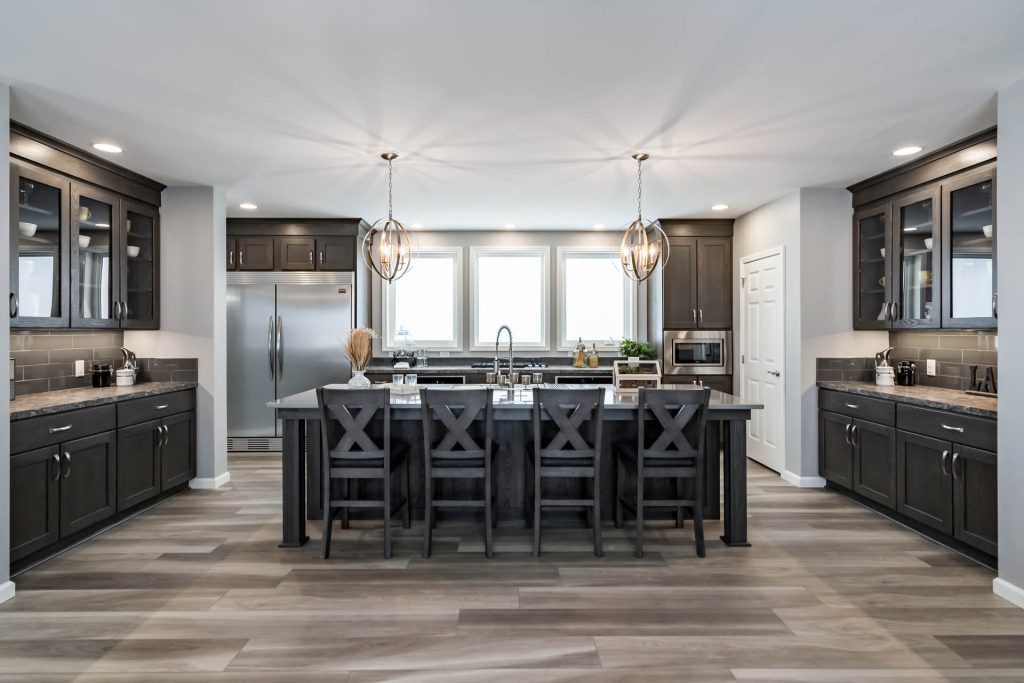
Factory-built homes are constructed in controlled environments using precise building standards and efficient processes. This approach allows for high-quality homes built faster and often more affordably than traditional site-built housing.
Take The Next Step
Get Involved with PMHA

Become A Member

Industry Resources
Access installation information, industry data, and key contacts to stay informed, compliant, and competitive in the manufactured housing industry.
Frequently Asked Questions
Move forward with confidence.
Clear answers to help you better understand factory-built housing and what to expect.
What is a factory-built home?
Factory-built homes are constructed in a controlled environment and then transported to their final location. This process allows for consistent quality, efficiency, and faster build times.
Are manufactured homes safe and built to code?
Yes. Manufactured homes are built to federal HUD standards, ensuring safety, durability, and energy efficiency across all models.
How much do factory-built homes typically cost?
Costs vary based on size, features, and location, but factory-built homes are often more affordable than traditional site-built homes.
Where can I place a manufactured home?
Placement depends on local zoning regulations and community requirements. A qualified retailer can help you understand approved locations and next steps.
How do I get started with buying a home?
Start by exploring your options and connecting with a trusted retailer through PMHA’s directory. They can guide you through the entire process.
What does PMHA do?
PMHA supports Pennsylvania’s manufactured housing industry through advocacy, education, and resources for both professionals and home buyers.
Stay Connected with PMHA
Build Your Network. Grow Your Business.
What Residents Are Saying
I feel like I live in a neighborhood where we all watch out for each other.
To be in a place where kids feel safe enough to ride their bikes and play in the street is great.
